We know AI is the new thing insofar as what event technology is changing the industry. There is no novelty in remarking on it now. It’s easier to think of AI as the backdrop to the other interesting things happening in event tech today. While much of the new event technology are AI tools, what shapes do they take? And which tools aren’t using AI at all, yet are still pushing the boundaries of what is possible for large-scale events and conferences?
That’s the question worth answering. Not “is AI changing events” – obviously it is – but which specific tools are changing planning, delivery, and measurement for enterprise teams running events across multiple cities, multiple stakeholders, and multiple time zones.
In short, event management software in 2026 is less about flashy add-ons and more about closing the gaps between planning, production, and delivery. The tools that matter are the ones removing friction, often invisibly. Read on to find out what they are.
For private sector teams
The Event Agency Procurement Guide
What Event Technology is Currently Transforming Event Management?
Four categories of event technology are doing the heavy lifting today: AI-driven workflow automation, hyper-personalised attendee engagement, immersive hybrid and spatial platforms, and analytics tools built for genuine ROI tracking. Each solves a different bottleneck. Together, they’re changing how enterprise teams plan and run events at scale.
AI and Workflow Automation
Enterprise event teams working on multi-city operations know the pain of coordinating calendars across venues, partners, and internal stakeholders. Anyone who’s tried to lock a date across three departments and an external venue knows how many emails that used to take. Smart scheduling tools now analyse those calendars automatically, factoring in travel realities and team fatigue to land on dates that work in practice.
Spec management has changed too, and this is more interesting than it sounds. Instead of manually re-keying client briefs into a management system, planners can drag a spec sheet or an email straight into the dashboard. Fewer duplicate records, fewer typos, fewer planning errors traced back three weeks later to a copy-paste mistake nobody remembers making. It’s a small change in behaviour with a disproportionate effect on downstream accuracy.
Then there’s predictive risk mitigation – arguably the most useful change happening. AI monitors live variables like train delays affecting a keynote speaker or a crowd building faster than expected near one entrance, and pushes updates to attendee phones before anyone needs to ask a steward what’s going on. The system flags weather shifts, speaker delays and even catering hiccups early enough that someone can act on them before its too late.
The biggest optimisations in event technology aren’t always the most glamorous. But it does mean fewer fires to put out on the day, which, if you’ve ever run a live event, you’ll know is worth more than some of the shinier tools out there.
How Can Event Organisers Use Technology to Enhance Attendee Engagement?
Live Group have been saying this for a while now, but generic agendas are on their way out. The tools doing this well pair attendees for networking based on actual professional goals and behavioural signals, not just shared job titles on a spreadsheet. Live Group’s Envoku platform is one example – it uses audience profiling to turn a room of passive delegates into a set of useful connections, building on groundwork the company laid years earlier with AudienceDNA, long before “AI-powered personalisation” became the phrase everyone reaches for.
There’s something worth noting there: the underlying idea “match people by what they actually want, not what their badge says” far predates the AI wave. The technology has simply caught up to what good event teams were already trying to do by hand.
Session recommendations work the same way now. Rather than a static schedule handed out on arrival, tools curate an agenda per attendee, adjusting in real time as interest signals shift through the day. Someone who lingers at a sustainability panel gets nudged toward the related breakout later. Someone who skips the vendor demos gets steered toward the networking lounge instead. Small thing. Makes a noticeable difference to how relevant the day feels, and relevance is what keeps people engaged past the coffee break.
What Digital Tools Assist With Event Branding and Personalised Attendee Experiences?
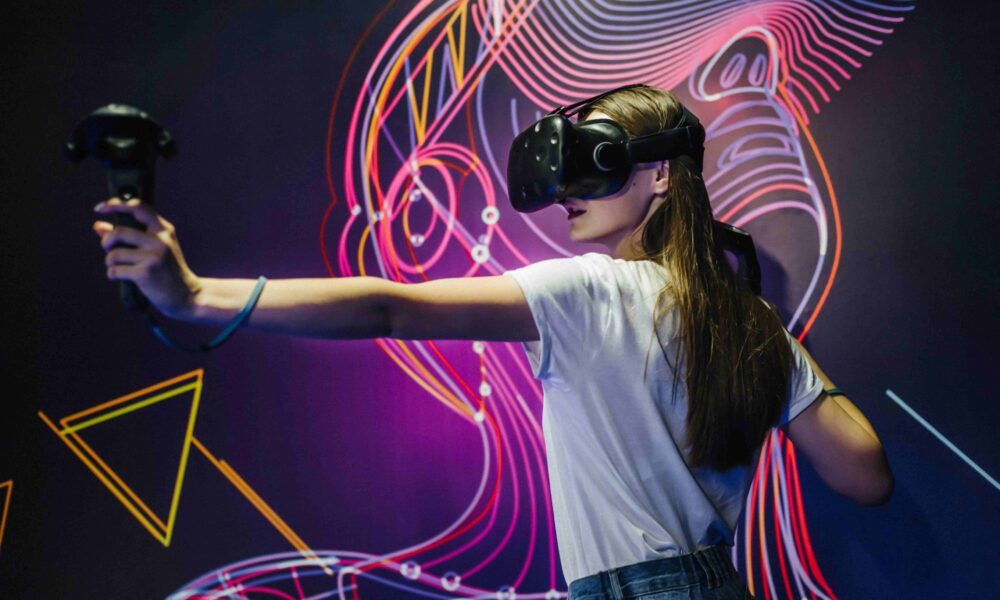
This is where, interestingly, hybrid and spatial technology shines. Hybrid events have moved well past a webcam pointed at a stage, because that version was never designed to be a permanent solution. Modern platforms treat remote and in-person audiences as two halves of one experience, with integrated chat, live polling, and engagement tools that truly connect both sides, rather than the online crowd watching a stream while the real event happens elsewhere.
On the physical side, environmental storytelling has come a long way. LED mesh wrapping, content-mapped floors, and responsive digital layers let a venue change its tone and pacing as the day unfolds, tracking the crowd’s energy rather than running on a fixed lighting cue sheet written weeks in advance. While it sounds like a production detail, it’s actually a branding tool, as the venue itself becomes part of the message. It means the event venue can move from corporate-neutral in the morning to something warmer and more social by the evening reception, without anyone touching a lighting desk in real time.
How Can Event Organisers Leverage Digital Analytics to Measure Event Success?
Real-time sentiment dashboards now track engagement, traffic flow, and session participation while the event is still running. That means staffing and room layouts can shift mid-event, based on what’s happening in real time.
Post-event, AI tools scan recordings to pull out speaker insights, cut short-form clips for social, and build ROI reports that can get marketing and sales looking at the same numbers. This is especially helpful for FTSE 100 teams under pressure to justify event budgets against every other line item. A report that arrives fast and speaks the language both departments use is worth more than one that’s technically thorough but two months after the event’s concluded. This is an example of well-implemented automation that doesn’t replace anyone’s job but helps to improve the output.
What Are the Best Digital Solutions for Managing Large-Scale Events?
Across the event technology landscape, the pattern is fairly consistent: AI-powered planning tools, personalised attendee apps, cashless and frictionless check-in systems, immersive AV, hybrid platforms, and real-time analytics. The trick is making choices around which event tech tools complement each other.
A few specifics worth knowing:
- AI event assistants handle marketing tasks, attendee queries, scheduling, and reporting without a human in the loop for every routine question.
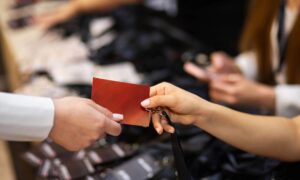
- Smart registration and check-in replace paper badges with digital credentials, cutting queues and capturing cleaner data at the door.
- Digital avatars and virtual performances are becoming genuinely realistic, with UK companies expanding what’s deliverable at a physical venue without flying in extra talent or booking a second stage.
None of this replaces good planning. It just means the planning has better tools to work with, and fewer places for small errors to hide until the day itself.
What Are Secure Payment Solutions Integrated Into Digital Event Platforms?
Cashless payment systems built into event apps now handle everything from exhibitor transactions to on-site catering, with encrypted credential storage replacing physical wallets and reducing queue times at every point of sale. For enterprise events with hundreds or thousands of attendees, this can be the difference between a frictionless day and bottlenecks at every checkout, and the data trail it leaves behind feeds directly into the post-event ROI reporting mentioned earlier.
Which Companies Offer Comprehensive Event Technology Solutions in the UK?
A handful of UK agencies combine software platforms with actual production capability, rather than selling a dashboard and leaving the delivery to someone else. Live Group is one of them – fifty years running events across the UK and APAC, with tools like Envoku built specifically for the personalisation and audience-profiling challenges enterprise clients keep running into, and a production track record that means the technology isn’t operating in isolation from the physical event around it.
For public sector teams
The Public Sector Event Agency Procurement Guide
Event Technology in 2026 – the takeaway
Many of these tools aren’t enough in isolation. A brilliant AI scheduling platform doesn’t fix a poorly briefed production team. An improved networking app doesn’t rescue a venue that can’t handle the crowd. The technology transforming event management in 2026 is useful in more subtle ways, but it needs people who know how to put it together, city after city, without dropping the details that make an event successful.
Partnering with a team that understands both the software and the production floor means these tools get used properly.
For teams in APAC
The APAC Event Agency Procurement Guide

Ready to take the stress out of event planning?
Live Group helps organisations design and deliver personalised event experiences that engage audiences and achieve results. Contact us to discuss your next event.
AI scheduling and spec-automation tools, personalised networking and content platforms, immersive hybrid technology, and real-time analytics dashboards are the four categories doing the most work right now.
Real-time sentiment and engagement dashboards allow adjustments during the event, while post-event AI tools generate clean ROI reports that align marketing and sales around the same data.
A combination of AI event assistants, personalised attendee apps, smart check-in systems, and hybrid-event platforms used together rather than separately.
Projection mapping, responsive LED environments, and platforms like Live Group’s Envoku that use behavioural data to personalise networking and content for individual attendees.
Cashless systems with encrypted credential storage, built directly into event apps to handle exhibitor sales, catering, and merchandise without physical wallets.
Full-service agencies with in-house software and production capability Live Group, with fifty years of UK (and global) event delivery, is one example.
Behavioural matchmaking for networking, dynamic agenda curation based on real-time interest signals, and integrated hybrid tools that treat remote attendees as equal participants rather than an afterthought.