A strong corporate event theme gives the experience a clear creative direction without turning it into a costume party. The right theme should support the event objective, feel appropriate for the audience and brand, and translate consistently across the venue, stage, lighting, content, entertainment, catering and guest journey. The ideas below are designed for UK business events including conferences, gala dinners, awards nights, product launches, client events and employee programmes, with practical guidance on choosing and delivering a theme that works in the real event environment.
For private sector teams
The Event Agency Procurement Guide
What Is a Corporate Event Theme?
A corporate event theme is the central creative idea that connects the look, feel and experience of an event. It can influence visual design, messaging, stage treatment, music, entertainment, food, digital content and the way guests move through the space. A theme can be subtle or highly immersive; what matters is that it gives the event a coherent identity.
A useful theme should do more than provide decoration. It should help communicate why the event is happening and what you want attendees to remember. For a leadership conference, that might mean a forward-looking concept built around change and progress. For an awards night, it could be a polished visual world that makes recognition feel important and celebratory.
Why Corporate Event Themes Matter
- Create a consistent visual and emotional experience across the event.
- Make key moments such as arrivals, reveals, awards and closing sessions feel more deliberate.
- Help speakers, content and entertainment feel connected rather than separate.
- Give creative and production teams a shared direction for design decisions.
- Support stronger photography, video and post-event content.
- Make the event easier for attendees to understand and remember.
The theme does not need to appear everywhere. A restrained concept applied consistently is usually more effective than adding themed elements to every surface or programme segment.
How to Choose the Right Corporate Event Theme
Start with the business purpose rather than the visual idea. A theme should answer a planning need, not create another one.
- Objective: decide whether the event needs to educate, celebrate, motivate, launch, connect or recognise.
- Audience: consider seniority, professional background, cultural context and willingness to participate.
- Brand: choose a tone that feels credible for the organisation and occasion.
- Venue: work with the architecture and restrictions rather than forcing an idea into the wrong space.
- Programme: make sure the theme supports presentations, networking, entertainment and transitions.
- Production: understand what the concept requires from AV, staging, lighting, screens, power and crew.
- Budget: prioritise the elements guests will notice most rather than spreading spend too thinly.
- Accessibility: ensure the experience can be understood and enjoyed by the widest possible audience.
25 Corporate Event Theme Ideas
1. Future Forward
Best for conferences, leadership events and transformation programmes. Use clean stage architecture, dynamic screen content and lighting that changes with the programme. The concept works best when the content itself focuses on what is changing and what comes next.
2. Innovation Lab
Useful for technology events, strategy days and internal innovation programmes. Create zones for demonstrations, workshops and conversation rather than relying on laboratory-style props. Interactive screens, prototypes and live problem-solving can make the idea feel purposeful.
3. Modern British
A flexible choice for UK-hosted client events, international delegations and formal dinners. Interpret British design through contemporary materials, food, music or local references rather than obvious stereotypes. The result can feel rooted in place without becoming themed entertainment.
4. London After Dark
Suitable for evening client events, awards nights and receptions in the capital. Let the city influence lighting, graphics, music and food while keeping the brand prominent. It works particularly well when the venue already offers a strong city view or urban character.
5. Garden and Biophilic
Useful for wellbeing events, summer gatherings and brands wanting a softer atmosphere. Planting, natural materials, daylight-inspired lighting and botanical graphics can create a calm environment. Check venue rules, maintenance and access requirements before introducing substantial physical greenery.
6. Contemporary Black Tie
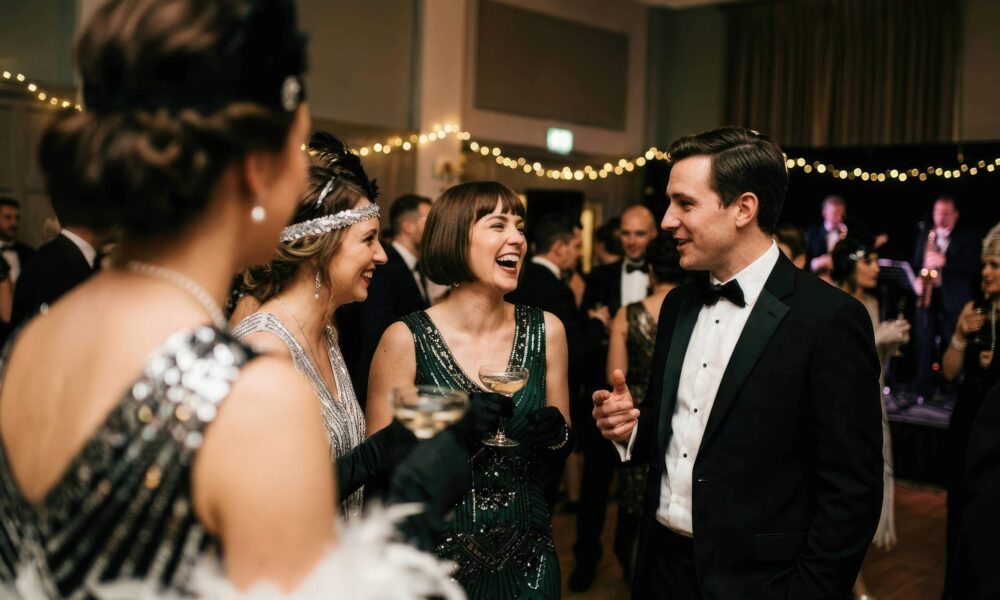
A strong direction for gala dinners and awards ceremonies. Instead of relying only on black and gold, use refined typography, architectural lighting and a limited palette that reflects the brand. The focus should remain on recognition, hospitality and the stage experience.
7. The Gallery
Works well for launches, client events and thought-leadership programmes. Treat the venue as a curated exhibition with content, products, photography or stories displayed in distinct zones. Guests can explore at their own pace, which also supports networking.
8. Festival of Ideas
Good for internal conferences and multi-stream programmes that need energy and choice. Use varied content zones, informal seating and a flexible schedule while maintaining strong wayfinding. The theme should support discovery rather than imitate a music festival literally.
9. Global Connections
Appropriate for international businesses, regional meetings and events bringing multiple markets together. Visualise networks, collaboration and shared goals through content and digital design. Avoid reducing different cultures to decorative motifs.
10. Purpose and Impact
Useful for ESG, community, charity or purpose-led business programmes. Build the event around real projects, people and outcomes, using stories and interactive content to show impact. Keep claims specific and evidence-based rather than relying on generic sustainability language.
11. Circular Design
A practical concept for events where material choices and reuse are part of the brief. Modular set pieces, reusable signage systems and adaptable furniture can support the theme. Production decisions should be based on what can realistically be sourced, reused or repurposed for the specific event.
12. Retro Reimagined
Works for employee celebrations, brand anniversaries and creative client events. Choose one era or design influence and reinterpret it through modern graphics, music and styling. Keeping the references selective avoids making the event feel like a fancy-dress party.
13. Premiere Night
Useful for awards, launches and major company milestones. Arrival moments, lighting, photography and a strong show opening can create a sense of occasion. The brand should remain central rather than copying a film-industry event too literally.
14. Spotlight and Recognition
Designed specifically for awards and employee recognition. Build the visual language around names, achievements and stories, with screens and lighting helping each winner feel visible. This theme is effective because the people being recognised become the main creative content.
15. Interactive Technology
Suitable for technology companies, product launches and innovation events. Touchpoints might include responsive displays, live data, digital voting or interactive installations. Only use technology where it improves participation or understanding; unnecessary gadgets can slow the guest journey.
16. The Broadcast Studio
A useful approach for hybrid conferences, leadership communications and town halls. Design the stage and content for both the room and the camera, with clear sightlines, controlled lighting and screen layouts that read well remotely. The result can feel like a live programme rather than a standard meeting with a livestream added.
17. Wellbeing and Recharge
Good for employee events, leadership offsites and programmes focused on resilience or performance. Quiet zones, natural textures, flexible session formats and lower-intensity activities can support the theme. Avoid forcing wellness activities on attendees; choice is important.
18. Challenge and Collaboration
Works for team events, sales kick-offs and internal engagement days. Structure the programme around group problem-solving, challenges or shared objectives. The theme is strongest when activities relate to the business message rather than existing only as entertainment.
19. Street Food Market
Suitable for informal networking, employee celebrations and client receptions. Food stations can encourage movement and create natural meeting points. Plan circulation, queues, seating and dietary requirements carefully so the market-style format improves the experience rather than causing congestion.
20. Expedition and Discovery
Useful for strategy, learning and change programmes. Frame the agenda as a journey through stages, questions or destinations, using wayfinding and content to show progress. Keep the language business-relevant so the metaphor does not overpower the actual objectives.
21. Makers and Creators
Good for innovation, design, engineering and employee engagement events. Live demonstrations, hands-on workshops and displays of work can turn the audience into participants. It can also help showcase internal talent or product development in a credible way.
22. Local Heritage
A strong option when the venue or host city has a distinctive story. Architecture, local food, music, photography or historical references can create a sense of place. Use the venue as an asset rather than adding unrelated scenic elements.
23. Brand Colour World
Useful when the organisation already has a strong visual identity. Build the event environment around a controlled brand palette, motion graphics, lighting and signage. Vary texture, scale and intensity so the space feels designed rather than simply covered in corporate colours.
24. Inside the Product
Designed for product launches and brand experiences. Turn product features, customer needs or the brand story into physical zones, demonstrations and content moments. The theme should make the product easier to understand, not hide it behind spectacle.
25. Live Show
Suitable for company-wide meetings, awards and high-energy internal events. Treat the programme as a produced show with a strong opening, clear segments, audience interaction and disciplined transitions. Good show calling, rehearsal and AV coordination are essential because timing becomes part of the experience.
Themes for Gala Dinners and Awards Nights
For formal evening events, themes such as Contemporary Black Tie, Premiere Night, Spotlight and Recognition, Modern British and London After Dark can create a clear sense of occasion without distracting from dinner, speeches and awards. Prioritise the stage, arrival experience, table environment and key recognition moments. Entertainment should be selected after the running order is clear so that the programme does not become too long.
Themes for Conferences, Seminars and Leadership Events
Conference themes need to support content. Future Forward, Innovation Lab, Festival of Ideas, Global Connections, Expedition and Discovery, Purpose and Impact, and The Broadcast Studio can all provide a useful framework for presentations and breakout sessions. Keep the visual system consistent across stage graphics, wayfinding and session materials, but allow enough flexibility for different speakers and topics.
For public sector teams
The Public Sector Event Agency Procurement Guide
Themes for Product Launches and Brand Experiences
Product events benefit from concepts that make the brand or product easier to explore. Inside the Product, Interactive Technology, The Gallery, Brand Colour World and Makers and Creators can translate features into physical or digital experiences. The reveal, demonstration area and guest journey should be planned together so attendees understand where to look, what to do and what the key message is.
Themes for Employee and Internal Events
Internal events can support more participation, but the theme should still connect to the reason employees are attending. Festival of Ideas, Challenge and Collaboration, Wellbeing and Recharge, Live Show, Retro Reimagined and Street Food Market can work well for different levels of formality. Think about how the theme affects session design, networking and recognition rather than focusing only on the social part of the day.
How to Bring a Theme to Life Across the Event
Once a theme has been chosen, translate it into a small number of consistent design and experience decisions. Not every element needs to be themed.
- Invitation and registration: establish the tone before guests arrive.
- Arrival: use signage, lighting, music or a focal installation to make the change of environment clear.
- Stage and screens: carry the visual identity through presentation templates, motion graphics and scenic treatment.
- Wayfinding: make themed language secondary to clear navigation.
- Catering: use service style or menu choices where they genuinely support the idea.
- Entertainment: choose acts or activities that fit the audience and programme rather than adding them for novelty.
- Breakouts and networking: vary furniture and room layouts to support the behaviours you want.
- Photography and video: identify moments and backgrounds that will work well in post-event content.
Venue, AV, Stage, Lighting and Production Requirements
Theme development should happen alongside production planning. A concept that depends on large scenic builds, complex projection or interactive technology can affect venue choice, access, setup time and budget.
- Stage size and sightlines for both in-room and camera audiences.
- Screen dimensions, content formats and playback requirements.
- Lighting positions, power and any venue restrictions.
- Rigging or structural requirements where relevant.
- Sound coverage for presentations, music and entertainment.
- Loading access, storage, build and breakdown windows.
- Rehearsal, testing and show-calling requirements.
- Backup plans for technology-dependent or outdoor elements.
Ask suppliers for technical information before committing to a theme. It is easier to adapt the concept early than to discover later that the venue cannot support a key element.
Budgeting for Corporate Event Themes
There is no fixed cost for a corporate event theme because the same creative idea can be delivered at very different levels of complexity. A theme based mainly on content, graphics and lighting will have a different cost profile from one requiring custom staging, interactive installations and multiple entertainment elements.
Build the budget around the areas that matter most to the guest experience. Depending on the concept, that may include creative development, venue treatment, scenic production, AV, lighting, screen content, signage, entertainment, furniture, catering presentation, photography and additional crew. Keep a contingency within the wider event budget and confirm supplier requirements before final approval.
United Kingdom Corporate Event Theme Considerations
UK venues range from purpose-built conference centres and hotels to historic buildings, museums, warehouses and outdoor spaces. Each creates different possibilities and restrictions for a theme. In London and other city-centre locations, access and loading schedules can be as important as the creative design. Historic venues may limit rigging, attachment points, sound levels or build methods, while outdoor events need realistic weather contingency planning.
For national or international audiences, avoid assuming that a UK theme needs to rely on obvious cultural symbols. Local references can be effective when they are connected to the venue, host city or event purpose and presented in a contemporary way.
Corporate Event Theme Planning Checklist
- Define the event objective and the role the theme needs to play.
- Identify the audience and level of participation that will feel appropriate.
- Choose a creative direction that aligns with the brand and occasion.
- Check the concept against the venue before developing it further.
- Map the theme across arrival, stage, content, catering, networking and entertainment.
- Confirm AV, lighting, staging, screen, power and access requirements.
- Review accessibility and wayfinding from the start.
- Prioritise the highest-impact elements within the available budget.
- Create a detailed running order and schedule adequate technical testing.
- Plan how photography, video and post-event content will capture the concept.
Common Mistakes When Choosing Corporate Event Themes
Choosing a theme only because it is fashionable
A theme should support the event objective and audience. A current visual trend can date quickly or feel disconnected from the business message.
Making the theme too literal
You do not need props, costumes and themed names for everything. A strong visual system and a few well-designed experience moments can be more effective.
Ignoring the venue
A concept developed without understanding the space can create unnecessary cost and technical problems.
Forcing audience participation
Interactive ideas should make engagement easier, not make attendees uncomfortable. Give people options where possible.
Underestimating production
Lighting, screens, staging, sound, power and setup time can determine whether the theme works in practice.
Spreading the budget too thinly
Prioritise the moments guests will notice most rather than adding small themed details everywhere.
Letting the theme overpower the content
The event should still communicate its business purpose clearly. The theme is there to strengthen that message, instead of replacing it.
Choosing the Right Corporate Event Theme
The strongest corporate event themes give a business event a clear identity while still serving the audience, programme and objectives. Choose the theme by starting with purpose and audience fit, then develop it alongside venue, production, accessibility and budget planning so the creative idea remains practical as well as memorable. If you are planning a corporate event in the UK and need support with creative development, event production and the wider guest experience, contact Live Group to discuss your event.
For teams in APAC
The APAC Event Agency Procurement Guide

Ready to take the stress out of event planning?
Live Group helps organisations design and deliver personalised event experiences that engage audiences and achieve results. Contact us to discuss your next event.
Useful options include Future Forward, Contemporary Black Tie, Festival of Ideas, Global Connections, Interactive Technology and Spotlight and Recognition. The right choice depends on the event objective, audience, venue and brand.
Start with the purpose of the event and the audience. Then test the idea against the brand, venue, programme, production requirements, accessibility and budget.
Future Forward, Innovation Lab, Festival of Ideas, Global Connections and The Broadcast Studio can work well because they provide a clear framework for content and audience engagement.
The theme can influence screen content, stage design, lighting, sound, room layout and technical requirements. These elements should be planned together rather than added after the creative concept is approved.
Choose the direction early enough for it to influence venue, production, content and supplier decisions, especially when the concept requires custom staging or technology.