
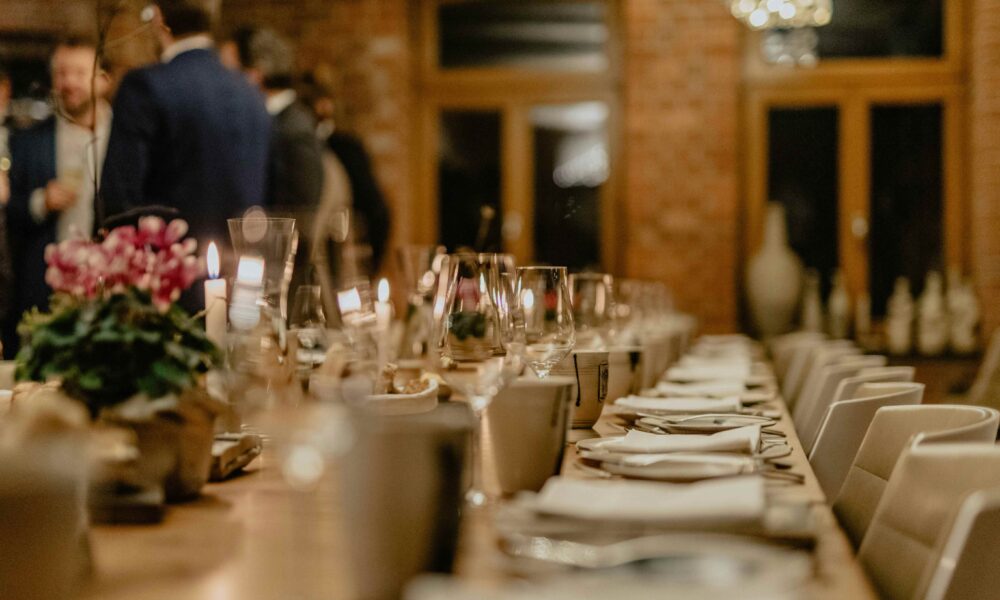
A gala dinner is a formal or semi-formal evening event that brings guests together around dining, speeches, entertainment, awards, networking or celebration. For companies, it can be used to recognise employees, host clients, mark a milestone, raise funds, thank partners or strengthen stakeholder relationships. A successful corporate gala is not simply a decorated dinner: it needs a clear objective, the right venue, a well-paced programme, strong hospitality and coordinated event production so that every part of the evening feels intentional.
The Guide Every Internal Comms Professional Needs
The 2026 Guide to Virtual Townhalls
What Is a Gala Dinner?
A gala dinner is an organised evening event built around a formal dining experience and a structured programme. Guests typically arrive for a reception before moving into a seated dinner, with speeches, awards, entertainment, fundraising or other programme elements scheduled around the meal.
The level of formality can vary. Some corporate galas use black-tie dress codes, elaborate staging and multiple entertainment segments. Others are more contemporary, with relaxed seating, shorter speeches and a stronger focus on networking. What makes the event a gala is the sense of occasion and the way dining, content and guest experience are brought together.
This is what separates a corporate gala dinner from a casual company meal. A normal dinner may simply bring colleagues or clients together to eat and talk. A gala usually has defined objectives, a guest journey, a running order, production cues, branded elements and a clear reason for the event.
Why Companies Host Corporate Gala Dinners
Corporate gala dinners can support different business objectives, which is why the purpose should be agreed before the venue or creative concept is chosen.
- Employee recognition and awards, including celebrating individual, team or company achievements.
- Client hospitality, creating a setting where key customers and prospects can build stronger relationships with the organisation.
- Partner and stakeholder appreciation, particularly when suppliers, sponsors or strategic partners have contributed to a programme or milestone.
- Fundraising, where the evening supports a charitable or community objective alongside the corporate programme.
- Brand positioning, using the venue, content and experience to communicate how the organisation wants to be perceived.
- Internal culture, bringing teams together around shared achievements, values or future direction.
- Milestone celebrations, such as anniversaries, major project completions or business achievements.
The best format depends on the objective. A recognition event needs to make winners and nominees feel valued. A client gala may prioritise hospitality and networking. A fundraising gala needs clear moments that explain the cause and make participation easy. The programme should be designed around that purpose rather than copied from a standard dinner format.
Start with the Gala Dinner Objective and Audience
Before selecting a venue, theme or entertainment, define what the gala needs to achieve and who will be in the room. This gives the planning team a practical basis for every later decision.
- Primary objective: recognition, celebration, hospitality, fundraising, networking or a combination of these.
- Guest profile: employees, clients, partners, investors, sponsors, senior leaders or external stakeholders.
- Guest numbers: including likely attendance, VIPs, speakers, hosts and award recipients.
- Level of formality: from black tie to a more relaxed contemporary gala.
- Desired guest experience: what should guests feel, remember or do during the evening?
- Success criteria: attendance, participation, stakeholder feedback, fundraising outcomes, content captured or other relevant measures.
These choices also influence practical details such as table layouts, arrival times, accessibility, catering, stage visibility and the amount of time needed for speeches or awards. A clear brief prevents the event from becoming a collection of unrelated ideas.
Choose the Right Gala Dinner Venue
The venue shapes the guest experience and can affect almost every part of the production. In the UK, corporate gala dinners may take place in hotel ballrooms, conference venues, banquet halls, historic buildings or creative event spaces. The right choice depends on what the programme actually needs.
Capacity and layout
Consider how guests will arrive and leave, including public transport, parking, taxis and accommodation. This is especially important when the event finishes late or attracts guests from across the UK or overseas.
Sightlines and stage visibility
Guests should be able to see speakers, award recipients, screens and entertainment without relying on awkward seating positions. Site visits are useful for testing how the room will work once tables and production are in place.
Catering and hospitality
Understand whether catering is provided in-house or through approved suppliers, how service will work around the programme and where dietary requirements are managed.
AV and venue restrictions
Ask about installed sound, lighting and screens, but also confirm what external production can be brought in. Historic or unusual venues may have limitations on access, rigging, noise, power or installation methods, so technical suppliers should be involved early.
Branding opportunities
Look at arrival areas, registration, stage backdrops, screens, signage, table styling and photo locations. Branding should feel integrated into the experience rather than added wherever there is empty space.
Create the Theme, Branding and Guest Experience
A gala theme should give the event a coherent visual and experiential direction. It does not need to be theatrical. A strong creative concept can be as simple as a clear visual system that connects invitations, arrival, staging, lighting, table styling and digital content.
- Invitations and pre-event communications that set expectations before guests arrive.
- An entrance and registration experience that feels organised and appropriate to the event tone.
- Stage design and screen content that reinforce the event identity.
- Table styling, menus and signage that use the same visual language.
- Sponsor or partner visibility where relevant, without allowing branding to overwhelm the guest experience.
- Photo opportunities or branded environments that guests naturally want to use.
- VIP arrival, seating or hospitality arrangements where required.
Think about the event as a journey. The guest should move logically from arrival and reception through dinner, awards or speeches, entertainment and departure. Good design supports that journey rather than focusing only on what the room looks like in photographs.
Plan the Gala Dinner Programme and Run of Show
A gala dinner programme needs enough structure to maintain momentum without making guests feel that every minute is controlled. The meal, speeches, awards and entertainment all compete for attention, so timing is one of the most important planning decisions.
| Programme stage | What to plan |
| Guest arrival | Registration, welcome drinks, photography, networking and background entertainment. |
| Opening | Host welcome, housekeeping and a concise explanation of the purpose of the evening. |
| Dinner service | Courses timed around speeches, awards and production cues. |
| Main programme | Awards, presentations, fundraising moments, video playback or keynote content. |
| Entertainment | Short, well-placed segments that add energy without extending the programme unnecessarily. |
| Close | Final remarks, thanks and a clear transition into networking, music or departure. |
The exact order will depend on the event, but transitions should be planned as carefully as the headline moments. Guests notice delays, long pauses and repeated stage resets. A detailed run of show gives hosts, venue teams, caterers and production crews one shared plan for how the evening should progress.
Plan Awards, Speeches, Hosts and Entertainment
Programme content is often where gala dinners run over time. Clear limits and rehearsed transitions help keep the evening moving.
Awards
Keep categories clear and make sure the presentation process is simple. Confirm who is presenting, where winners enter and leave the stage, what appears on screen and whether photos are taken during or immediately after the presentation.
Speeches
Brief speakers on the audience, purpose and time available. Shorter speeches generally protect the pace of the evening and leave more room for meaningful awards, networking and entertainment.
Host or emcee
A professional or well-prepared host can connect different parts of the programme, recover from small timing changes and keep guests informed without over-explaining the schedule.
Entertainment
Choose entertainment that suits the audience and supports the tone of the evening. It might be used during arrival, between programme sections or after the formal content. The strongest choice is not always the largest act; it is the one that works with the room, schedule and audience.
Rehearsals and scripts
Prepare scripts, speaker notes, award names and technical cues in advance. Rehearse any complex handovers, video playback, live entertainment or winner movements before guests enter the room.
Plan Catering, Seating and Hospitality
Food and service are central to a gala dinner, but catering needs to be planned alongside the programme rather than separately from it.
- Choose a menu format that can be served reliably within the available running time.
- Collect dietary requirements early and confirm how they will be identified and served on the night.
- Provide suitable vegetarian, vegan and other dietary options based on guest requirements.
- Coordinate beverage service so it does not interrupt important speeches or awards.
- Build a seating plan that considers teams, clients, sponsors, VIPs and accessibility needs.
- Use clear table numbering or naming so guests can find their seats quickly.
- Allow the catering team enough time to clear each course before major programme moments begin.
VIP hospitality should be discreet and well coordinated. If senior stakeholders, speakers or award recipients need different arrival, seating or backstage arrangements, these should be built into the guest journey rather than handled as last-minute exceptions.
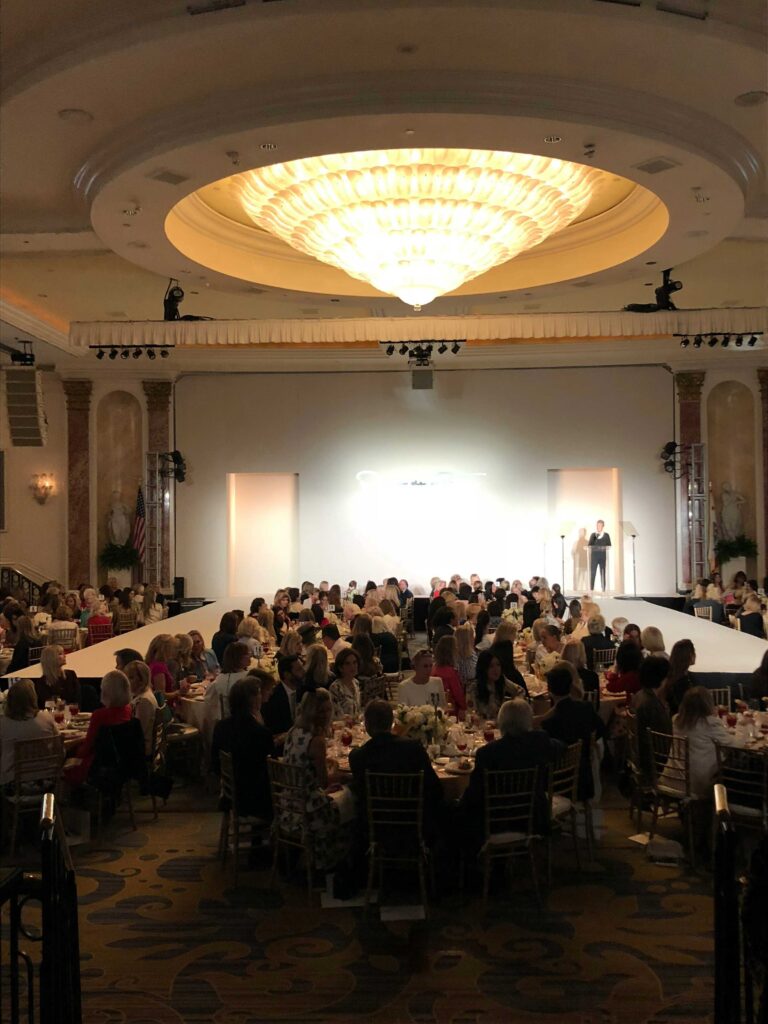
Plan Stage, AV, Lighting and Technical Production
Technical production is what allows the programme to feel polished. Even a relatively simple gala normally relies on sound, lighting, screens and coordinated cues.
Stage
The stage needs to support speakers, award presentations and entertainment while remaining visible from the room. Consider steps, lecterns, furniture, award tables and how people move on and off stage.
Sound
Plan microphones for hosts and speakers, music playback, award stings and entertainment. The system should provide clear coverage across the room without overpowering table conversation during dinner.
Screens and video
Screens or LED walls may be used for award categories, nominee names, brand content, sponsor visibility and video playback. Prepare content to the correct format and test it on the actual display system.
Lighting
Lighting can shift the room between dinner, speeches, awards and entertainment. Stage lighting should make speakers and winners visible, while wider room lighting can support atmosphere and branding.
Show calling
For more complex programmes, a show caller coordinates audio, lighting, video, stage movement and presenter cues against the run of show.
Recording and livestreaming
If the event is being filmed or streamed, camera positions, audio feeds, lighting and audience sightlines need to be considered during the room design rather than added at the end.
Backup planning
Agree sensible contingencies for critical content and equipment with qualified production teams and venue-approved suppliers. The aim is to minimise disruption if a technical element does not work as expected.
Photography, Videography and Post-Event Content
A gala dinner creates useful content beyond the event itself, so photography and video should be planned around the moments the organisation will want to reuse later.
- Guest arrivals and networking.
- VIP and stakeholder photographs.
- Award presentations and winner photos.
- Speeches and important stage moments.
- Audience reactions and wider room shots.
- Entertainment and branded environments.
- Short highlight or recap videos.
- Content suitable for internal communications, social media or stakeholder reporting.
Create a shot list before the event and identify any priority people or moments. Where photography or filming involves specific permissions or organisational requirements, these should be handled through the appropriate internal and professional processes.
Budgeting for a Corporate Gala Dinner
There is no single standard cost for a corporate gala dinner in the UK. The budget depends on guest numbers, location, venue, catering, production complexity and the overall experience being created.
- Venue hire and any extended access time.
- Catering and beverage service.
- Stage, sound, lighting, screens and technical crew.
- Entertainment, hosts or speakers.
- Branding, signage, decor and table styling.
- Photography and videography.
- Livestreaming or recording where required.
- Event management and event-day staffing.
- Travel, accommodation or logistics for suppliers and contributors.
- Rehearsals, overtime and contingency.
Build the budget around priorities rather than spreading spend evenly across every element. If recognition is the main objective, for example, the stage, awards and content may deserve more focus than elaborate decor. If client hospitality is the priority, venue, catering and networking experience may carry more weight. Obtain technical and supplier requirements early so that the full cost is understood before decisions are locked in.
UK Gala Dinner Planning Considerations
Corporate gala planning in the UK can vary significantly by city, venue type and audience. A few practical considerations are worth addressing early.
London and regional venues
London offers a wide range of gala venues but can involve tighter loading, transport and access arrangements. Regional events may require additional travel or accommodation for guests and suppliers. Compare the full logistical requirement rather than venue hire alone.
Venue lead times
Popular dates and larger venues can be in demand, particularly for annual awards seasons and end-of-year events. Starting venue research early gives more choice and more time to coordinate production.
Historic and listed venues
Historic spaces can create a strong sense of occasion but may have additional limitations around installation, access or technical production. Discuss requirements with the venue and qualified suppliers before committing to a design.
Multicultural audiences
Corporate galas may bring together guests from different cultural and professional backgrounds. Catering, entertainment, speeches and programme content should be reviewed with the actual audience in mind.
Accessibility and transport
Consider step-free access, seating requirements, hearing or visual needs, arrival arrangements and how guests will get home after the event. These are part of the guest experience, not separate operational details.
Hybrid participation
If remote guests or speakers are involved, make sure the online experience has been designed into the production plan, including audio, video, content and facilitation.
Corporate Gala Dinner Planning Checklist
Objectives and audience
- Define the purpose of the gala.
- Confirm guest profile and estimated attendance.
- Identify VIPs, speakers, presenters and award recipients.
- Agree the desired level of formality and success criteria.
Venue and guest journey
- Shortlist venues based on capacity and programme needs.
- Complete a site visit where practical.
- Check transport, accessibility, registration and guest arrival.
- Confirm catering, technical and branding restrictions.
Programme
- Build the running order around dinner service.
- Confirm awards, speeches, entertainment and video content.
- Brief the host and all speakers.
- Set realistic time limits and plan transitions.
Hospitality
- Confirm menu and beverage service.
- Collect dietary requirements.
- Prepare the seating plan and table allocation.
- Coordinate VIP or speaker hospitality.
Production
- Confirm stage design and sightlines.
- Plan sound, microphones, screens and lighting.
- Prepare award stings, walk-up music and video files.
- Schedule rehearsals and technical checks.
- Agree show calling and backup arrangements where required.
Content and suppliers
- Prepare photography and video shot lists.
- Confirm supplier responsibilities and contacts.
- Check arrival, setup and collection times.
- Share the final run of show with all key teams.
Budget and follow-up
- Track venue, catering, production and supplier costs.
- Keep a contingency allowance.
- Confirm approval points and payment schedules.
- Plan post-event communications and content distribution.
Common Mistakes When Planning a Corporate Gala
Starting with aesthetics instead of objectives
A visually impressive event can still miss the point if the programme and guest experience do not support the business purpose.
Booking the venue too late
Late venue selection can reduce choice and leave less time to solve production, catering and access requirements.
Making the programme too long
Too many speeches, awards or entertainment segments can make the evening feel slow. Protect the pace and prioritise the moments that matter most.
Weak seating planning
A poor seating plan can affect networking, VIP hospitality and guest comfort. Treat table allocation as part of the experience.
Underestimating AV and lighting
Sound, screens and lighting directly affect speeches, awards and entertainment. Production requirements should be confirmed before the final budget is approved.
Unclear supplier responsibilities
Define who owns each task, decision and cue. Gaps between venue, catering, production and event teams often become visible on the event day.
Skipping rehearsals
Rehearsals help speakers, hosts and technical teams understand timings, stage movement and cues before guests arrive.
Ignoring post-event content
If photography, video and communications are planned too late, important moments may be missed or captured in formats that are difficult to reuse.
Planning a Corporate Gala Dinner
A successful corporate gala dinner brings together clear objectives, the right venue, thoughtful hospitality, a well-paced programme and reliable technical production. When those elements are planned as one guest experience, the event can recognise achievement, strengthen relationships and create a genuine sense of occasion without becoming overcomplicated. If you are planning a corporate gala in the UK and need support with event strategy, production and delivery, contact Live Group to discuss your event.
Get the latest guide on virtual town hall meetings.

Ready to take the stress out of event planning?
Live Group helps organisations design and deliver personalised event experiences that engage audiences and achieve results. Contact us to discuss your next event.
A gala dinner is a formal or semi-formal evening event combining dining with a structured programme such as speeches, awards, entertainment, networking or fundraising.
Companies use gala dinners for recognition, client hospitality, partner appreciation, fundraising, brand building and milestone celebrations.
A typical programme includes guest arrival, welcome remarks, dinner service, speeches or awards, entertainment where appropriate, closing remarks and a clear transition into networking or departure.
Consider guest capacity, location, accessibility, catering, stage sightlines, AV requirements, branding opportunities, loading access and whether the space supports the planned programme.
Costs vary according to guest numbers, venue, catering, entertainment, production, branding and event complexity. Build the budget from the full event requirement rather than relying on a single headline price.