Why does work suddenly feel louder, faster and harder to focus on?
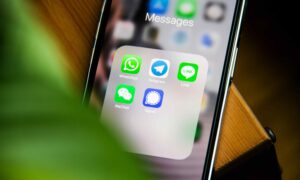
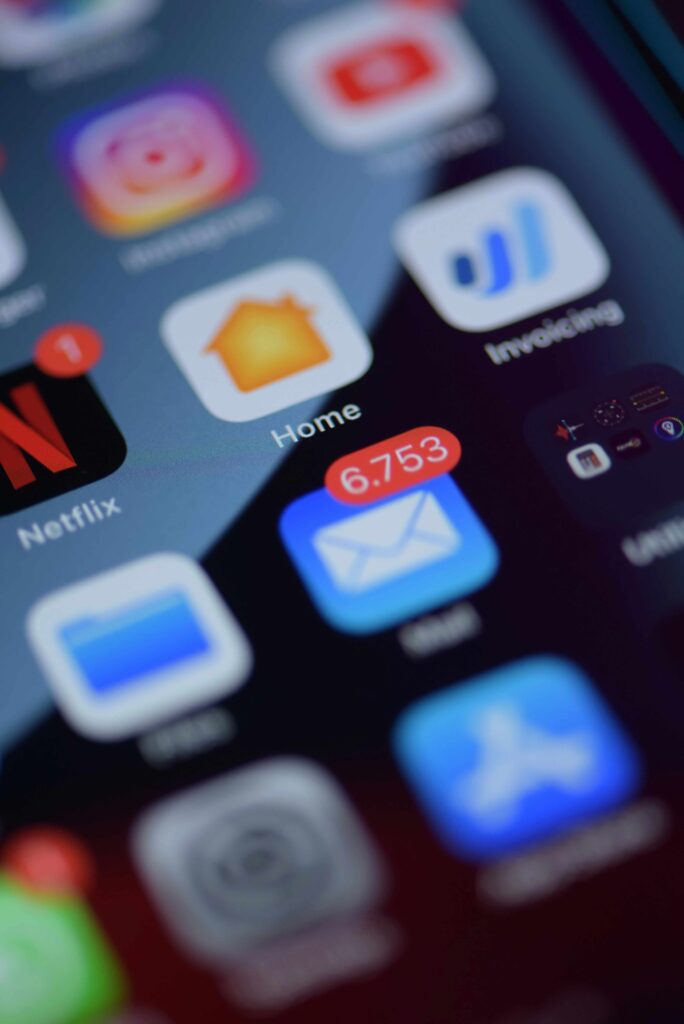
Something has shifted. Ask anyone juggling meetings, campaigns, internal comms or event planning and you’ll hear the same refrain: there’s too much coming at us, all the time. Emails stack up, Teams notifications don’t stop, calendar invites fill the diary.
Research suggests the average employee receives 117 emails and 153 Teams messages a day. According to Work Trend Index, workers are interrupted roughly every two minutes – that works around 275 interruptions daily. Nearly 38% of employees say workplace communications feel excessive, leading to feelings of overwhelm that are hard to manage.
That constant stream creates a subtle tension. People are technically busy yet struggle to finish meaningful work. Concentration fractures. Messages pile up faster than they’re processed.
For events professionals and marketers, the impact is clear. Audiences arrive already drained from digital noise. Delegates skim agendas instead of studying them. Pre-event comms get buried. A packed conference suddenly competes with inbox anxiety.
Many employees internalise this struggle. When focus slips or tasks take longer than expected, people often assume the problem is personal, a lack of discipline or motivation, rather than the result of constant cognitive overload. That quiet guilt compounds stress, leaving capable professionals feeling as though they’re underperforming when they’re simply operating in an environment that fragments attention
What we’re looking at is a structural shift in how attention works at work, and it changes everything from employee engagement to event strategy.
What is the attention economy – and are we entering an “attention recession”?
Let’s look at the “Attention Economy” definition. The attention economy describes a world where human focus is the most valuable resource. Brands, employers and event organisers compete for minutes of concentration the way companies once competed for physical shelf space.
By extension of the attention economy, commentators now talk about an “Attention Recession”. It’s not a financial downturn, but rather a shortage of mental bandwidth. People still consume content, attend events and engage with work, yet their patience for long messages or generic experiences shrinks.
Think about streaming platforms like Netflix or Spotify. Algorithms curate content because users expect relevance instantly. This is the world people have grown accustomed to, but corporate communication hasn’t always kept up. If anything, they’ve moved in the opposite direction. A long email blast or dense event programme can feel like being handed a 500-page manual when you only needed a quick map.
This shift matters for employee engagement. If communication ignores the economy of attention, people disengage quietly.
Events feel it too. Delegates choose sessions the same way they engage with other aspects of their lives: fast decisions, quick drop-offs, selective attention.
Summary: The attention economy turns focus into a limited currency, forcing organisations and event planners to compete harder for meaningful engagement.
The Attention Economy & Modern Audiences: How to Cut Through the Noise
Download the Attention Economy Report 2026
What is attention span, really – and why is it shrinking?
When people ask, “What is attention span?”, they usually imagine a fixed timer in the brain. In reality, attention depends on interest, cognitive load and context. Don’t be mistaken, it’s not that people have got worse at concentrating, it’s that their concentration is under more strain from external factors than ever before.
Constant interruptions trigger something psychologists call “continuous partial attention”. The brain stays alert for new inputs, scanning for urgency. Add task-switching and you get attention residue: mental leftovers from the last task that linger as you start the next.
Studies suggest it can take 23 minutes to regain focus after a disruption. Frequent switching may cut productivity by up to 40%. Brain imaging shows multitasking increases stress hormones while overloading working memory.
Then there’s the emotional side. Many workers report “information FOMO” – fear of missing something important. Notifications trigger a mild stress response. Some researchers even use the phrase “email apnea”, describing how people hold their breath when new messages arrive.
Without uninterrupted periods for deep work, creative thinking suffers. Around 68% of workers say they don’t get enough focus time during the day.
Summary: Attention span isn’t collapsing, but constant interruptions and cognitive overload make sustained focus much harder to achieve.
How does the attention crisis affect employee engagement and workplace culture?
Employee engagement depends on clarity, purpose and a sense of progress. Yet overloaded teams spend nearly half their week managing emails or searching for information instead of doing meaningful work.
The consequences ripple outward:
- Decision-making slows as conversations scatter across channels.
- Internal communications lose impact because messages compete for attention.
- Burnout rises; about six in ten workers link digital overload to stress.
- Staff turnover increases when communication feels confusing or relentless.
The best events can cut through that noise. Ironically, poorly designed ones can add to it. Dense agendas, long presentations and endless slide decks mirror the same overload people experience at work.
When engagement drops, organisers often assume content needs to be louder or flashier. Sometimes the real problem is simply too much information with too little structure.
Summary: The attention crisis weakens employee engagement by overwhelming workers with fragmented communication and constant cognitive demands.
Why do corporate events struggle for attention – and what’s changed?
Events used to be a break from routine, but now they compete with the same distractions attendees face every day. A delegate might be physically present but mentally checking emails between sessions.
Several trends explain the shift:
- Hybrid work blurred the line between events and everyday meetings.
- Attendees expect personal relevance, not one-size-fits-all agendas.
- Information density increased while attention tolerance decreased.
Imagine an event as a crowded airport lounge. Announcements blare, screens flash with updates, and everyone is moving through to find a glimmer of what’s most relevant to them. If your session doesn’t clearly signal value, people will drift or disengage.
That doesn’t mean audiences lack curiosity. They simply filter harder. Sessions that offer interaction, storytelling or clear practical outcomes hold attention far longer than generic presentations.
Summary: Events struggle for attention when they replicate workplace overload instead of offering focused, relevant experiences.
How can organisations improve employee engagement when attention is scarce?
Improving engagement starts with recognising that attention is finite. Communication must respect people’s mental bandwidth rather than overwhelm it.
A few practical shifts help:
- Shorter messaging: Replace long emails with clear, structured updates.
- Layered information: Offer summaries first, deeper detail for those who want it.
- Clear purpose: Explain why an event or initiative matters before describing logistics.
- Interactive formats: Workshops, roundtables and live polling sustain attention.
- Smart tech tools: Platforms like Slido, Mentimeter or event apps help participants engage actively rather than passively.
One contradiction worth noting: shorter isn’t always better. Complex topics sometimes need depth. The difference lies in structure, guiding attention through clear sections and logical flow.
Organisations that respect the economy of attention tend to see stronger employee engagement because communication feels thoughtful rather than relentless.
Summary: Engagement improves when communication becomes clearer, more purposeful and designed around realistic attention limits.
How should communication and events be designed for real human brains?
Designing for attention means embracing how people actually process information. The brain likes patterns, storytelling and moments of pause. It struggles with endless streams of data.
Consider:
- Pacing: Break sessions into shorter segments with natural transitions.
- Choice: Allow attendees to personalise schedules or content tracks.
- Recovery time: Include breaks that genuinely allow mental reset.
- Visual clarity: Use clean slides and strong narrative structure rather than dense text.
Think of attention like a muscle. It works best when stretched, rested and given meaningful challenges. An event that balances focus and recovery keeps participants energised.
The same applies to internal comms. One well-structured message often beats ten scattered updates.
Summary: Effective communication mirrors how the brain processes information – structured, paced and respectful of cognitive limits.
How can events agencies win back attention?
Running events while managing marketing, operations or internal roles can feel overwhelming. Full-service events agencies like Live Group help reduce noise rather than add to it. They shape agendas, structure messaging and design experiences that respect attention limits.
They also handle communications beyond the event itself. Towards the end of your planning process, when media coverage matters, a strong agency will write the press release and distribute it to relevant outlets through their established media contacts. That saves time while increasing visibility.
More importantly, experienced agencies understand how audiences think. They refine messaging, simplify logistics and help create events that feel intentional rather than cluttered.
Summary: Partnering with an experienced events agency supports clearer communication, stronger engagement and effective promotion before and after an event.
Final thoughts: is the attention crisis a threat or an opportunity?
The attention crisis at work can feel overwhelming. Yet it also forces organisations to communicate more thoughtfully. When teams respect the reality of limited attention, engagement improves naturally.
For event professionals and marketers, the challenge is to design experiences that feel purposeful, structured and human. Clear messaging, interactive formats and realistic pacing turn limited attention into meaningful participation.
Attention may be scarce, but it’s still powerful. When organisations earn it, rather than demand it, people listen.
Summary: The attention crisis encourages smarter communication and more intentional events, ultimately strengthening engagement when handled well.
Get the latest report on what’s causing the attention recession, and how to win it back.
Ready to take the stress out of event planning?
Live Group helps organisations design and deliver personalised event experiences that engage audiences and achieve results. Contact us to discuss your next event.
The attention economy describes a landscape where human focus is limited and highly valuable, forcing organisations to compete for meaningful engagement.
The attention recession refers to declining available mental bandwidth as workers face constant digital interruptions and information overload.
Attention span reflects how long someone can sustain focus. It varies depending on interest, cognitive load and environmental distractions.
Clear communication, interactive experiences, structured messaging and thoughtful event design all help improve engagement in an attention-scarce environment.