When it comes to planning an event and outlining your objectives, before we talk about venues, agendas, or name badges, we must first ask: what is company culture, why does it matter, and how will it shape this event?
It isn’t your values printed on a wall, or the polished brand film shown at the annual conference. Put simply, organisational culture is what people actually say and do when they think their seniors aren’t watching. It’s also how decisions get made, how conflict is handled and how credit is shared. Ultimately, it’s a shared ethos that informs how people behave in an organisation, and behaviour can be shaped.
This is where events can come in. Beyond being just diary entries or line items in a budget, events, when designed with intent, can dramatically reshape work culture across an organisation.
If you want to shift your company culture through events, this article explores how to do exactly that.
What Is Company Culture And Why Does It Feel So Vague?
Ask ten leaders to define organisational culture and you’ll get ten versions of the same idea. Formally, it’s the shared attitudes, behaviours, goals and expectations that define how an organisation operates. Informally, it sounds something like “how things work round here.”
Culture within organisations develops over time. People test what’s rewarded, what’s ignored, what gets them in trouble, and subsequently adapt. Those patterns become habits, and collectively, those habits become organisational culture.
Psychologists often describe culture as a set of behavioural norms. This is relevant because behaviour is visible and measurable. You can see whether teams collaborate, measure your turnover and assess engagement scores. But culture itself sits beneath the surface, shaped by trust, autonomy, empathy and shared experience.
The tension arises because culture feels intangible, yet its impact is concrete. It influences revenue, productivity, innovation and retention. Businesses with strong, clearly defined company culture often outperform competitors without in growth and profitability. Those with confused or inconsistent culture struggle with disengagement and churn.
Even though culture can feel abstract, its consequences are real, measurable and tangible.
The Attention Economy & Modern Audiences: How to Cut Through the Noise
Download the Attention Economy Report 2026
Why Do In-Person Events Matter for Work Culture?
One way culture is built is gradually through the everyday – in meetings, collaboration and performance reviews.
In-person events compress time and expedite this process for culture building. They concentrate attention and bring together people who might otherwise never share a coffee, let alone a conversation.
When global teams gather at an annual summit, a leadership roadshow or a regional conference, the culture that usually lives in policy documents suddenly becomes visible and acted out for people to witness. Do leaders mingle freely? Are junior voices heard? Are different regions genuinely represented on stage?
In those moments, employees are observing behaviour and testing whether the stated values match reality.
Research on workplace gatherings consistently shows that meaningful events can increase engagement and positive behaviours for weeks afterwards, especially when they include recognition, dialogue and shared achievement alongside business content.
In other words, events do more than communicate or describe company culture. They should reveal it. And when handled well, will reinforce it.
Can Events Really Change Organisational Culture?
A two-day conference won’t magically fix deep-rooted problems, nor should it.
Yet events can act as catalysts. They can accelerate cultural shifts that leadership is already trying to embed. They can model new behaviours in a concentrated setting, making them easier to adopt back at work.
It helps to conceptualise culture as a learning process. Individuals experiment with behaviours to see what works. If an event rewards collaboration, visibility and open discussion, people notice. If it celebrates only senior voices and rigid hierarchy, they notice that too.
So, can events change organisational culture? In a way, yes. But foremostly they can nudge it in the right direction, because culture building isn’t a one-and-done process.
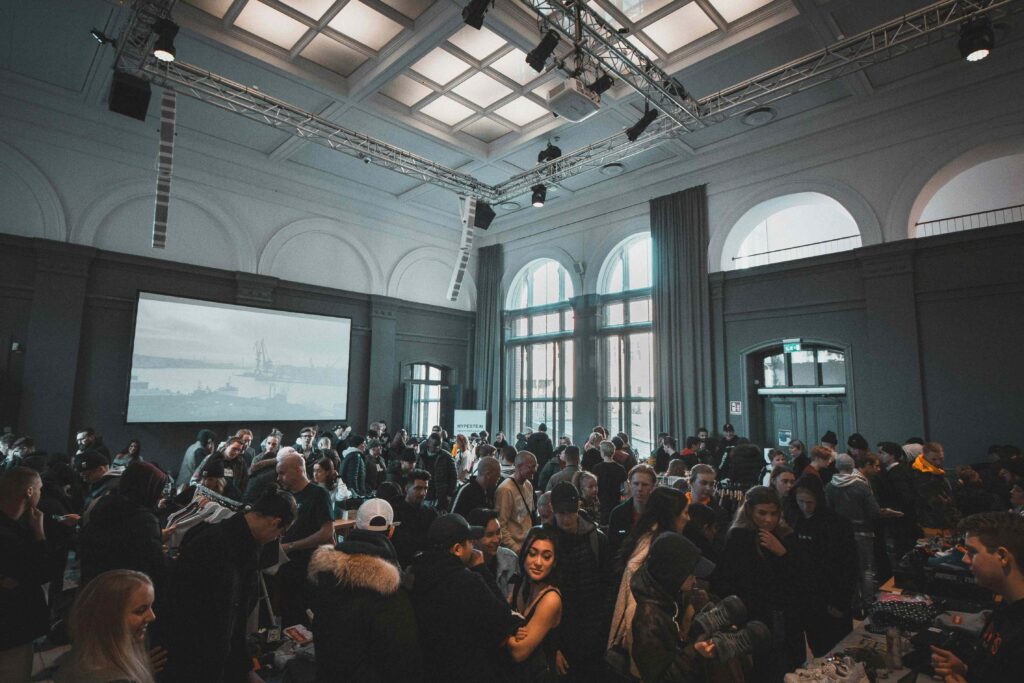
How Do Events Shape Behaviour in Practice?
In practical terms: If culture is behaviour, then events must be designed around behaviour.
Start by asking three questions:
- Which behaviours should this event encourage: collaboration, candour, innovation?
- Which groups most need to connect: regions, departments, seniority levels?
- Which company values should be experienced, not merely discussed?
From there, you can design an organisational culture event with intention. #
Networking as culture in action
If you want a collaborative workplace culture, don’t default to theatre-style seating and rigid Q&A. Try mixed-level roundtables. Host peer sessions around shared challenges. Encourage leaders to circulate rather than remain backstage. Physical layout matters. So does tone.
Recognition that feels authentic
Awards evenings and incentive travel can reinforce positive behaviours. But balance is key. Recognise high performers, yes, but also celebrate teamwork, mentorship and quiet consistency. Otherwise, you risk promoting competition over cohesion.
Values made tangible
If your business culture includes community impact, organise a volunteering day or fundraising initiative as part of the event. If personal growth is central, include workshops or skill-building sessions. Values become believable when people experience them.
Trust-building beyond icebreakers
This doesn’t mean shoehorning in awkward games or forced-fun. But trust grows when people share responsibility, solve problems together and feel heard. Structured team challenges, honest panel discussions and facilitated small-group conversations can create that environment.
Each design choice communicates what matters. Each moment reinforces (or undermines) your events organisational culture.
To summarise, behaviour at events becomes a rehearsal for behaviour back at work.
How Does Organisational Culture Connect to Hard Metrics?
Let’s address the question every CFO will eventually ask: what’s the return?
As outlined at the beginning of this article, culture isn’t just a concept. It connects directly to measurable outcomes. Consider:
- Engagement survey scores
- Voluntary turnover
- Internal mobility rates
- Cross-functional project participation
Imagine a regional summit bringing together 200 employees. If the event contributes to a modest reduction in voluntary turnover over the following year, the savings in recruitment and onboarding costs alone can be significant. Add improved collaboration across departments, and you may see faster project delivery or increased revenue opportunities.
Short pulse surveys during and after events can capture data on new connections made, confidence in leadership and understanding of company goals. Over time, patterns emerge. You begin to see which types of events drive the strongest cultural shifts.
When presented alongside existing business metrics, the link between events and company culture becomes clearer and harder to dismiss.
Culture, when tracked thoughtfully, becomes a strategic lever rather than a vague aspiration.
What Types of Events Strengthen Workplace Culture?
Not all events serve the same purpose. Different goals require different formats. Here are several that consistently support strong work culture examples:
Company-wide conferences
Ideal for aligning teams with strategy and reinforcing shared goals. When designed well, they connect individual roles to broader organisational ambition.
Team-building experiences
Particularly useful in larger organisations where silos form easily. Mixing departments encourages fresh understanding and reduces friction.
Professional development events
Workshops, seminars and industry conferences support a culture of growth. Organisations such as PepsiCo have long invested in career progression opportunities, reinforcing a sense of trust and future focus within their workforce.
Community and charity initiatives
Volunteering or fundraising activities embed empathy and shared purpose into business culture.
Social gatherings
From seasonal celebrations to informal after-work events, these build relationships. They may seem light-hearted, but morale and belonging are serious business.
The key is clarity. Choose the format that aligns with the specific cultural shift you want to support.
Is Leadership Behaviour the Missing Piece to Organisational Culture?
While events can be instrumental in transforming culture, leadership behaviour needs to match the message.
In the modern workplace, people flourish when given autonomy and trust. Events are opportunities to model that trust visibly.
If leaders speak about openness but remain inaccessible, the gap is obvious. If they share the stage, invite challenge and admit uncertainty, that signals psychological safety.
When it comes to how your employees judge your culture, slogans and logos will only be a fraction of the battle. Fundamentally, they judge it by behaviour, especially from the top.
So, events matter. But nothing happens without leadership presence and authenticity.
Where Does an Events Company Culture Fit Into All This?
If you’re an event professional within a business, your role is cultural stewardship as much as logistics. And if you’re working with an external partner, their events company culture will influence outcomes too.
A strong agency partner understands organisational nuance. They don’t simply deliver staging and catering. They ask about values, behaviours, long-term goals. They help shape narratives that feel consistent with your organisation culture, and crucially, they think beyond the event itself.
Partnering with a full-service events agency means they will write the press release for you and distribute it to relevant outlets using their established media contacts. That extends your company culture beyond internal audiences, reinforcing brand reputation and attracting future talent.
It helps to think of culture as internal, while reputation is external. And the two are inextricably linked.
Events for Organisational Culture: What’s the Takeaway?
Organisational culture isn’t fixed. It’s formed by everyday choices, reinforced by visible behaviour and influenced by shared experience.
Events concentrate those experiences. They make values visible, test trust and encourage connection. And when designed with intent, they strengthen work culture in ways that ripple long after the final keynote.
For event professionals and senior stakeholders alike, the question isn’t whether events affect company culture, the real question is whether you’re shaping that influence deliberately or leaving it to chance, because culture will form either way.
Get the latest report on what’s causing the attention recession, and how to win it back.
Ready to take the stress out of event planning?
Live Group helps organisations design and deliver personalised event experiences that engage audiences and achieve results. Contact us to discuss your next event.