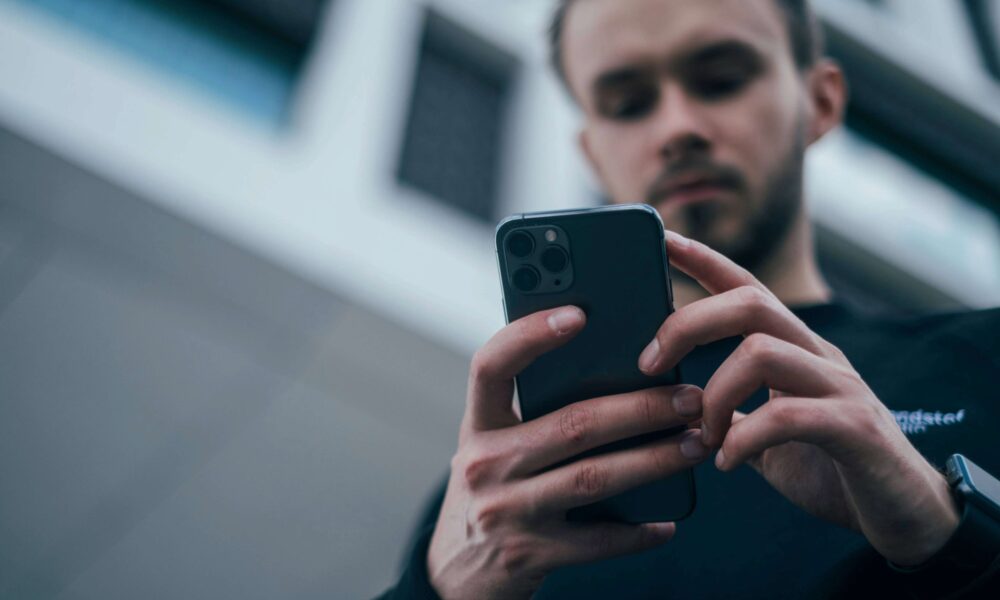
Look around any conference or meeting and you’ll see the familiar glow of smartphone screens. As event organisers, it’s tempting to view phones as the enemy, a constant competitor for your attendees’ attention. But instead of fighting a losing battle (and playing the phone police), the real solution is to design events so engaging that participants naturally put their phones away.
For any event management company focused on stronger audience engagement in today’s attention economy, instead of removing phones from the event, the challenge is designing an experience so compelling that attendees choose presence over distraction.
In other words, stop competing with phones by making your event so good that checking email or scrolling social media simply isn’t worth it.
Here’s how to do just that.
The Attention Dilemma: Events vs. Smartphones
In today’s world, attendees instinctively reach for their phones when they’re bored or disengaged. If a presentation drags on or fails to resonate, the temptation to sneak a glance at messages or social media becomes overwhelming. It’s not that people want to be rude, it’s that phones offer instant stimulation when an event doesn’t. We are living through an attention recession where every notification, app, and platform competes for finite focus. The challenge for event management companies is clear: if we don’t capture attention, the smartphone will.
The knee-jerk reaction might be to ban phones or insist attendees switch them off. Yet, strict no-phone rules can backfire, making adults feel like naughty schoolchildren. And let’s face it: in an age where business runs on connectivity, asking professionals to fully unplug is unrealistic. Instead of issuing ultimatums, we need to earn audience attention. How? By crafting an experience so compelling that the thought of missing out keeps phones in pockets.
B2B Event Planning Guide 2025
Download the 2026 B2B Event Planning Guide
How Can You Make Audience Engagement the Priority in Event Management?
You shouldn’t have to compete with a phone for someone’s attention if your event is designed with engagement first. This means moving away from the old “speaker talks, audience listens quietly” format.
The era of passive attendees silently absorbing a long lecture is over. To win over an audience that’s used to interactive, on-demand content, effective event management now means designing experiences around participation and variety — especially in an era defined by the attention economy.
Consider shortening traditional presentation segments and mixing in different formats to keep things lively. For example, break up a 60-minute talk into a 20-minute talk followed by a quick Q&A or a table discussion. Varied pacing, alternating between speeches, panel discussions, live demos, and interactive exercises, helps reset attention spans and prevents fatigue. When sessions are concise and dynamic, attendees are less likely to drift into screen time because there’s always something new happening.
How Can You Personalise the Event Experience to Keep your Audience’s Attention?
One sure-fire way to keep people off their phones is to give them content that feels personally relevant and valuable. Event personalisation is all about tailoring the experience to your attendees’ needs and interests. After all, if your event can make people feel like “This was made for me!” they’re far more likely to stay engaged.
Start by understanding your audience. Are they senior executives interested in high-level strategy? Young professionals looking for networking and practical tips? Different groups will find different things engaging. Use pre-event surveys or registration data to learn about your attendees’ roles, preferences, and goals. Then, craft agenda options or sessions that cater to those segments. For instance, you might offer separate breakout tracks for different industries or experience levels, allowing attendees to choose what matters most to them. This “choose your own adventure” approach means everyone spends time in sessions they actually care about, and when people care, they won’t be sneaking off to scroll their newsfeed.
Personalisation can also be as simple as addressing attendees by name in communications, referencing their specific interests, or providing customised recommendations via your event app. These touches make attendees feel seen and valued. When participants feel the content is speaking directly to them, they stay mentally present.
Rather than one-size-fits-all content (which risks losing half the room to boredom), personalised event management keeps each audience segment engaged in what’s happening right in front of them, counteracting the effects of the attention recession.

How Can You Encourage Interaction and Participation Through Smarter Event Management?
It’s hard to mindlessly check your phone when you’re actively involved in what’s going on. Encourage attendees to be participants, not just observers. The more interactivity you build into your event, the less chance minds (and eyes) will wander to mobile screens.
Here are a few audience engagement ideas to consider:
- Live Q&A and Polls: Instead of saving all questions for the end, integrate Q&A throughout sessions. Use live polling or Q&A apps to gather input from the audience in real time. This not only gives attendees a voice but also keeps them busy responding and looking up for results. Paradoxically, you can leverage smartphones as tools for engagement here, attendees use their phones to participate in polls or submit questions, but in doing so, they remain focused on the session content.
- Workshops and Breakouts: Break up long plenary sessions with interactive workshops or small-group discussions. Pose a challenge or case study and have groups brainstorm solutions. When people are doing rather than just listening, they won’t have time (or desire) to drift into their digital world.
- Games and Gamification: Add a bit of fun competition. Event gamification (like challenges, quizzes, or a scavenger hunt in the venue) can make participating more compelling than checking email. For example, you could award points for visiting exhibitor booths or for contributing questions, with a leaderboard and a prize to spark friendly competition. A well-designed game element taps into attendees’ curiosity and competitive spirit, keeping them engaged in the event itself.
By building these kinds of interactions into your agenda, you transform attendees from passive viewers into active contributors. An active attendee is an attentive attendee. When everyone in the room is raising their hand, collaborating on an activity, or vying for the top score in a challenge, phones suddenly become far less interesting.
How can I Create “Can’t Miss” Moments at my Event?
Another way to design events worth ignoring phones for is to include experiences so memorable and exciting that no one wants to miss them. In event planning, think about how to create “wow” moments, the kind that grab hold of your audience’s attention and refuse to let go.
This could be a captivating story or case study that unfolds during a keynote, an inspiring live demonstration of a new technology, or a surprise guest speaker. It might be an immersive audio-visual experience with dramatic lighting, music, or video that transforms the atmosphere. Use storytelling, emotion, and sensory elements to draw people in on a human level. If you can trigger an emotional response, laughter, curiosity, inspiration, even a bit of suspense, attendees will be too wrapped up in the experience to even think about their phones.
Also, consider the environment and staging. Creative stage design, lounge areas for networking, interactive exhibits, these all contribute to an immersive event where there’s always something interesting happening in the physical space. For instance, having live sketch artists summarise sessions visually, or setting up product demo stations that people can try, gives attendees unique, tangible things to focus on. The goal is to deliver experiences attendees simply can’t get from staring at a screen. When your event offers that kind of exclusive value, phones naturally take a back seat.
How to Respect Attention Spans at your Event (with Breaks)
Designing an event worth ignoring phones doesn’t mean every second must be jam-packed. In fact, respecting your attendees’ attention spans and energy levels will help keep them off phones in the long run. Plan your schedule with strategic breaks and buffer times. Short pauses allow attendees to quickly check important emails or messages if needed, so they’re less anxious about “what am I missing?” during sessions. When people know they’ll have a chance to catch up with the outside world soon, they can relax and give their full focus to the present moment.
Moreover, aim for quality over quantity in your content. Curate your agenda to avoid information overload. Five great, concise sessions will beat ten drawn-out ones where half the audience disengages. If a topic can be covered in 30 minutes, don’t stretch it to an hour. Attendees appreciate when you value their time, and when they’re not mentally exhausted or overloaded, they stay engaged. Remember, boredom and fatigue are what send people running to the refuge of their phones. By keeping content tight, relevant, and giving ample breaks, you remove those reasons to escape.
Final Thoughts: How Can Your Event Make Attendees Forget About Their Phones?
In a world where smartphones are omnipresent, the answer isn’t to fight against them, it’s to outshine them with an event experience that holds attention by choice. When you design an event that is interactive, personalised, and filled with meaningful moments, you won’t need to demand attendees’ attention. You’ll earn it.
For any event management company aiming to improve audience engagement in the current attention economy, you’ll need something other than more tech — you need to design events people genuinely want to be part of.
So, stop competing with phones and start creating events worth ignoring them for. By prioritising engagement, relevance, and experience in your event design, you’ll captivate your audience from the first speaker to the final closing remarks. And when attendees are fully engaged and present, that’s a win-win, for them, for you, and for the success of your event.
Download the B2B Event Planning Guide for the complete playbook to planning events in 2025-26
Ready to take the stress out of event planning?
Live Group helps organisations design and deliver personalised event experiences that engage audiences and achieve results. Contact us to discuss your next event.