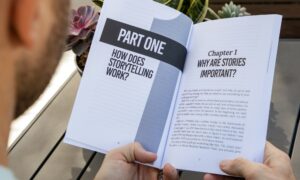

A well-written speaker bio is one of the most powerful tools in an event professional’s toolkit, shaping audience expectations long before a speaker steps on stage.
A compelling speaker bio can make the difference between a packed session and empty seats. Whether you’re preparing for a corporate conference, industry summit, or awards ceremony, your speaker biography is often the first impression delegates will have of you. This guide walks you through everything you need to know about writing a speaker bio that engages your audience and establishes your credibility.
What Is a Speaker Bio and Why Does It Matter?
A speaker bio is a short professional summary that introduces you to event attendees. It appears in conference programmes, event apps, marketing materials, and on screens before your presentation. For event organisers, it’s an essential tool for promoting sessions and helping delegates choose which talks to attend.
Your bio serves three key purposes: it establishes your authority on the topic, creates a connection with your audience, and gives attendees a reason to prioritise your session. A well-crafted speaker bio doesn’t just list your achievements; it tells a story that resonates with the people in the room.
B2B Event Planning Guide 2025
Download the 2026 B2B Event Planning Guide
How Long Should a Speaker Bio Be?
Most event organisers request speaker bios in specific lengths. It’s wise to prepare three versions:
- Short bio (50 words): For event apps, social media, and quick introductions. Focus on your name, current role, and one standout achievement or area of expertise.
- Medium bio (100 words): The most commonly requested length. Include your role, relevant experience, key achievements, and a hint of personality.
- Full bio (200 to 300 words): For conference brochures and detailed speaker profiles. This version can include your background, notable projects, publications, and personal interests.
How to Write a Speaker Bio: Step by Step
1. Start With the Essentials
Open with your name and current position. Delegates want to know who you are and where you work before anything else. Keep this straightforward: “Sarah Mitchell is the Head of Sustainability at Barclays” is clearer than burying your role in a longer sentence.
2. Establish Your Credibility
Your audience needs to understand why you’re qualified to speak on your topic. Include relevant experience, notable achievements, and any recognitions that support your expertise. Be specific: “led a team that reduced carbon emissions by 40%” is more compelling than “extensive experience in environmental initiatives”.
3. Connect to the Conference Theme
Tailor your bio to the event. If you’re speaking at a leadership conference, emphasise your management experience. For a technology summit, highlight your digital transformation work. Event organisers appreciate speakers who take the time to customise their materials, and delegates are more likely to attend sessions that clearly align with their interests.
4. Add a Personal Touch
A brief personal detail makes you memorable and approachable. This could be a hobby, a passion project, or an interesting fact about your background. “When not advising Fortune 500 companies, James can be found restoring vintage motorcycles” gives delegates something to remember and perhaps even a conversation starter.
5. Choose the Right Perspective
Speaker bios are traditionally written in the third person (“She leads…”), which creates a professional tone suitable for formal events. Some organisers prefer first person (“I lead…”) for more intimate or interactive conferences. Check with your event organiser if you’re unsure, or ask what tone matches the event’s style.
Speaker Bio Checklist
Before submitting your bio, ensure it includes:
- Your full name and current job title
- Your organisation or company name
- Relevant experience or credentials
- At least one specific, quantifiable achievement
- A connection to your presentation topic
- A personal detail that makes you memorable
Common Speaker Bio Mistakes to Avoid
Being too modest. Your bio is not the place for humility. If you’ve won awards, led major projects, or achieved impressive results, say so. Delegates are choosing between multiple sessions; give them reasons to choose yours.
Overloading with jargon. Industry acronyms and technical terms can alienate readers who aren’t specialists. Write clearly so that anyone scanning the programme can understand your expertise.
Listing every achievement. Focus on what’s most relevant to your presentation and audience. A conference on digital marketing doesn’t need to know about your early career in print journalism unless it directly supports your talk.
Forgetting to update. An outdated bio with your previous job title or old statistics undermines your credibility. Review and refresh your bio before each event.
Ignoring the word count. If an organiser asks for 100 words, sending 300 creates extra work for their team. Respect the brief and demonstrate that you’re easy to work with.
Speaker Bio Examples
Example 1: Corporate Leader (100 words)
Rachel Chen is Chief Operating Officer at Meridian Financial Services, where she oversees operations across 12 European markets. With over 15 years in financial services, Rachel has led transformation programmes that have reduced operational costs by £25 million while improving customer satisfaction scores by 35%. She is a regular commentator on operational resilience and has contributed to industry guidance published by the FCA. Rachel holds an MBA from London Business School and serves as a mentor for the 30% Club. Outside work, she is an amateur triathlete training for her first Ironman.
Example 2: Technical Expert (100 words)
Dr Marcus Webb is a Principal Data Scientist at the Alan Turing Institute, specialising in machine learning applications for healthcare. His research has contributed to diagnostic tools now used by NHS trusts across England, reducing diagnostic wait times by an average of four weeks. Marcus has published over 40 peer-reviewed papers and holds three patents in medical imaging analysis. He previously led AI research at DeepMind and completed his PhD at the University of Cambridge. When not advancing healthcare technology, Marcus volunteers as a STEM ambassador, inspiring the next generation of data scientists.
Tips for Event Organisers: Gathering Speaker Bios
If you’re managing an event, collecting quality speaker bios requires clear communication. Provide speakers with specific requirements: word count, preferred perspective (first or third person), and examples of the tone you’re looking for. Set deadlines that give you time to follow up with speakers who haven’t responded, and consider creating a simple online form that captures all the information you need in one submission.
It’s also helpful to request bios in multiple lengths upfront. This saves time later when you need different versions for your website, printed programme, and event app.
Final Thoughts
Your speaker bio is a small piece of content with significant impact. It shapes how delegates perceive you before you even step on stage and influences whether they choose to attend your session. Take the time to craft a bio that accurately represents your expertise, connects with your audience, and leaves a lasting impression.
Remember: the best speaker bios balance professionalism with personality. They demonstrate authority without arrogance, and they make the reader genuinely curious to hear what you have to say.
Need help managing speakers for your next event? At Live Group, we support organisations with every aspect of event delivery, from speaker coordination to delegate management. Get in touch to discuss how we can help make your event a success.
Download the B2B Event Planning Guide for the complete playbook to planning events in 2025-26
Ready to take the stress out of event planning?
Chat to us today about how our delegate management services can help bring your next event to life – on time, on budget, and beyond expectations. Whether you need full-scale delivery or targeted support, Live Group is here to help.