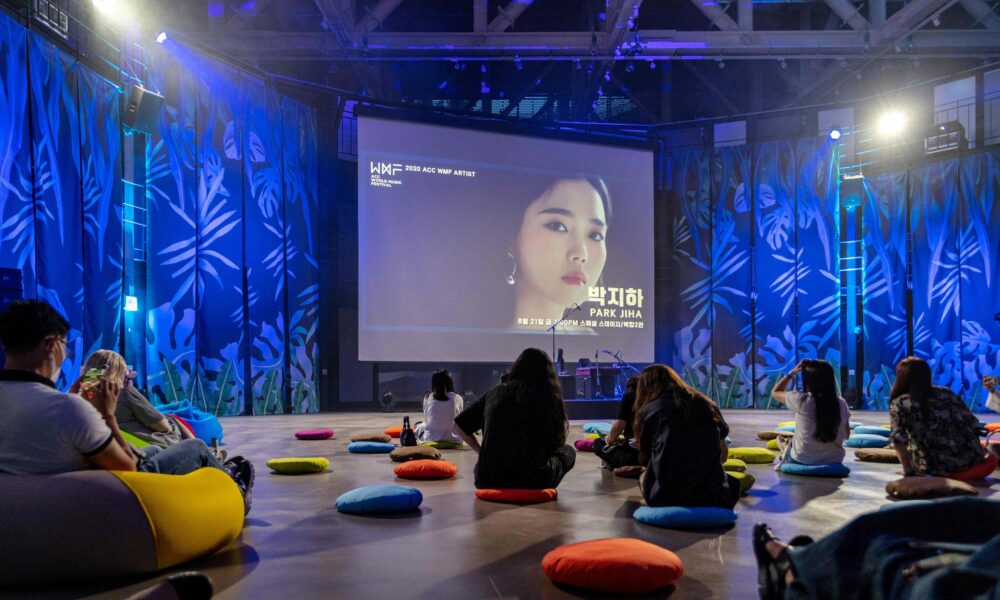
Explore how wellbeing-led event design transforms attendance, energy and engagement, giving your audience a richer, more rewarding experience from the moment they arrive.
Wellbeing at Events: What Works in 2026?
A few years ago, “wellness at events” meant sticking a smoothie bike in the foyer and hoping attendees would feel revitalised and re-centred. Now? Expectations have shifted. Delegates are arriving tired, overstimulated, and juggling more responsibilities than ever. And they’re quietly asking for something different: space to breathe, to think, to feel human again.
Event professionals have noticed the pattern. So has the data. Stress levels at large events regularly push people into caffeine overload, disrupted sleep, and the kind of sugar-fuelled grazing that feels fine at 3pm but awful by midnight. Anxiety rises, tempers fray, and (crucially) the willingness to return next year drops.
So, wellbeing isn’t a “nice-to-have” flourish anymore. It’s central to how events perform. But the question is: how do you make wellbeing at events meaningful, not gimmicky, or worse – a chore? And more importantly, what does it look like when it’s done well?
Why Are Attendees So Stressed at Events?
Anyone who’s ever been to a three-day conference knows the feeling: you start with good intentions and a tidy tote bag, and by mid-afternoon you’re clutching your third coffee and praying for a seat near a plug socket.
Even highly capable professionals hit a point where sensory overload takes over. Big events ask people to absorb information, navigate crowds, stay sociable, keep up with their inboxes, and look enthusiastic doing it. It’s no wonder things slide – especially diet, sleep and emotional bandwidth.
When cortisol rises, two things happen:
- People withdraw
- People make poorer decisions
Neither is great for event outcomes. And if someone leaves feeling overwhelmed rather than energised, they’re less likely to come back – or recommend the event to colleagues.
So yes, wellbeing at events is good for people, but it’s also good for retention, satisfaction scores, and long-term value.
B2B Event Planning Guide 2025
Download the 2026 B2B Event Planning Guide
Why is ‘Wellness’ at Events on the Rise?
You might’ve noticed the shift yourself: more meditation moments on agendas, more movement breaks, more chatter about workplace wellness. The wellness events industry has grown because attendees simply expect more support than they did five years ago.
But there’s another reason:
events with wellbeing baked in consistently get better feedback.
People remember how an event felt, not just what was said.
And that feeling – grounded, calm, supported – comes from thoughtful planning, not last-minute improvisation.
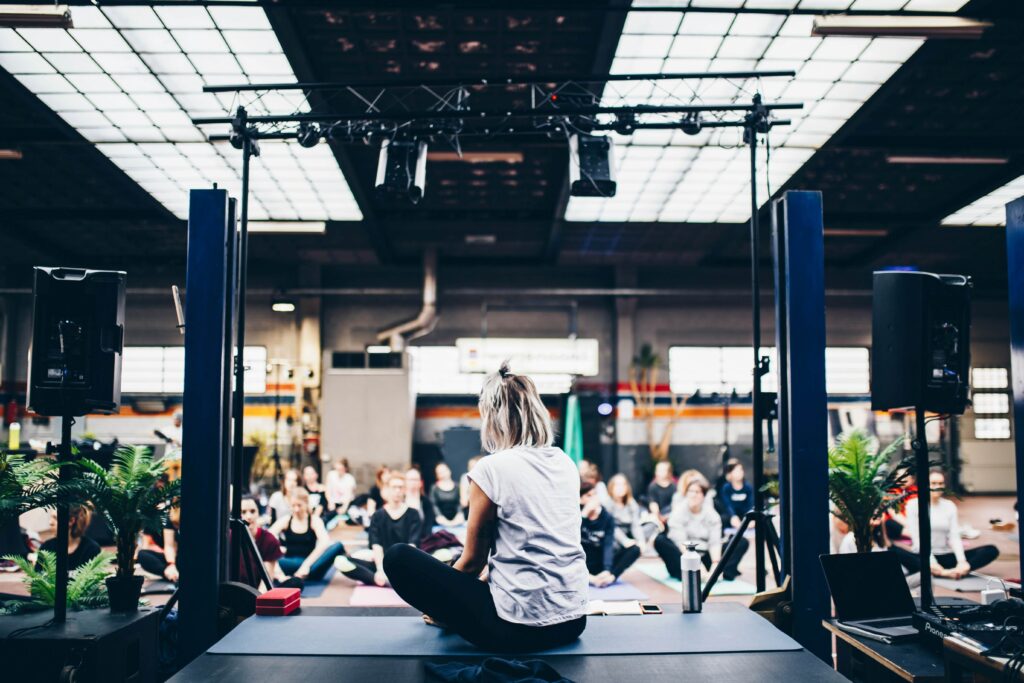
What Kinds of Wellness Activities Actually Work?
Here are the approaches to wellbeing at events that consistently help.
You can already feel the shift in venues, which are rapidly updating their infrastructures, not for the sake of novelty, but because audiences expect a certain baseline of technical quality.
1. Mindfulness and Meditation: Are People Really Doing These at Events?
More than you’d think. A short guided breathing session before a keynote can calm the whole room. Delegates who feel centred absorb information better – and they’re nicer to chat to during networking.
Mindfulness moments can be brief:
- Deep breathing at the start of a session
- Five-minute “reset” audio guides on the event app
- Quiet guided visualisation before group workshops
If the crowd feels hesitant about meditation, framing it as “mental clarity” or “focus prep” helps. A simple reframing often gets more buy-in.
2. Outdoor Activities: Why Not Use What’s Already There?
Even in cities, nature is rarely far away. Wellness events in London increasingly include:
- Riverside walks
- Urban gardens
- Morning stretch sessions in nearby parks
The science is clear: fresh air and access to green and blue spaces lowers stress hormones. And stepping outside between sessions gives people stories to talk about later. A ten-minute walk can create better networking moments than any icebreaker.
3. Flexible Scheduling: Are We Still Forcing People Into Hour-Long Blocks?
Rigid agendas are losing favour because they ignore how humans work. People need:
- Breathing space
- Buffer time
- Moments to catch up mentally
A well-paced schedule signals respect. And when attendees feel respected, they give far more back.
Flexibility doesn’t have to make your event chaotic. It’s simply allowing the agenda to serve the attendees, not the other way around.
4. Healthier Food Options: Why Are We Still Serving Beige Buffets?
Food is always a talking point. Always.
Nutrition affects mood, stamina, focus and general goodwill. Offering healthier choices, more than just a nice touch, is a performance strategy that leads to improved engagement.
Think:
- Colourful lunch bowls
- Fresh snacks
- Lower-sugar options
- Vegetarian bases with protein add-ons
- Hydration stations with mint, citrus or cucumber
When attendees eat well, they feel better. And people who feel better absorb more, engage more, network more and enjoy themselves more.
5. Quiet Spaces: The Unsung Hero of Any Wellness-Focused Event
A quiet room is a small investment with a big impact.
Noise fatigue is real, especially at conferences or exhibitions.
A well-designed quiet zone often includes:
- Soft lighting
- Comfortable seating
- Noise-reducing panels
- Calm colours
- Zero sales conversations
Introverts love these rooms. Extroverts quietly love them too.
6. Noise Management: Can We Make Events Less Chaotic?
Events don’t need to be loud to be memorable.
Simple measures help:
- Carpeting
- Acoustic drapes
- Lower volume levels between sessions
- Headphone zones
- Thoughtful stage placement
Lower noise = lower stress. It’s surprisingly straightforward.
7. Alcohol Control: A Delicate Balance
Events with alcohol aren’t the problem. It’s the over-pouring that leads to issues.
Moderation strategies are simple:
- Drink tokens
- A strong non-alcoholic menu
- Closing the bar early (gently)
Mocktails help people feel included without the crash later.
8. Air Quality: A Surprisingly Important Detail
No one talks about ventilation until it’s bad.
Air purifiers, indoor plants, and steady airflow change how a room feels. People breathe easier, stay alert, and are less prone to irritation.
Even the humble spider plant earns its keep.
Corporate Wellness Events: Why 2026 Is the Tipping Point
Corporate teams are, bluntly, exhausted.
Hybrid workloads, tight margins, frequent change – people are craving stability and kindness.
Workplace wellness initiatives have slipped quietly into the events space:
- Low-stimulus networking
- Shorter keynote formats
- Movement-based icebreakers
- Balanced, calmer agendas
- Cultural experiences that feel nourishing rather than performative
Whether you’re running wellness events in London, Nairobi, Dubai or Singapore, the pattern’s the same: teams appreciate moments of care woven into the programme.
Is Wellness Just a Trend? Or a New Default?
Right now, wellness still feels modern.
Very soon, it’ll feel baseline.
In 2026, your attendees won’t congratulate you for including wellbeing ideas at events – they’ll simply expect them.
This is where execution matters. Anyone can say they support wellbeing.
But delivering it consistently is a different craft entirely.
Why Working With a Live Events Company Makes All the Difference to Wellbeing
Here’s the truth people often skate around:
Wellbeing at events only works when everything is co-ordinated – venue, tech, programme, content, digital experience, flow, signage, food, and the hundreds of invisible details that shape how people feel.
Most internal teams simply don’t have the bandwidth for that level of orchestration.
And generic, off-the-shelf event tools can only carry you so far.
A specialist live events agency with its own digital services can manage:
- Tailored wellness journeys
- Personalised agendas based on attendee needs
- App-based calming moments and guided resets
- Real-time crowd-flow management to reduce stress points
- Push notifications that support wellbeing, not overwhelm
- Data-driven scheduling that predicts when people need breaks
This combination – human creativity plus bespoke digital tools – is what makes wellness events truly cohesive.
Wellbeing at events is a system that works best when experts build it.
Wellness at Events: What’s the Takeaway for Event Professionals?
Wellbeing at events is no longer just a trend. It’s now a responsibility, and a powerful differentiator. When delegates feel cared for, your content lands better, your networking becomes richer, and the overall atmosphere shifts from frantic to fulfilling.
Whether you’re running workplace wellness sessions, planning wellness events in London, or exploring wellbeing ideas for a major conference, the message is simple:
You can add wellness to an event… or you can weave it into the experience. Only one truly works.
If you want the latter, partnering with a live events agency that brings both creative expertise and bespoke digital capabilities will give you the foundation you need.
Because when wellbeing is thoughtfully built in, your attendees will thrive at your event.
Download the B2B Event Planning Guide for the complete playbook to planning events in 2025-26
Ready to take the stress out of event planning?
Chat to us today about how our delegate management services can help bring your next event to life – on time, on budget, and beyond expectations. Whether you need full-scale delivery or targeted support, Live Group is here to help.